The Montessori method is more than just an educational approach it’s a way of nurturing independence, curiosity, and self-confidence in children. While Montessori classrooms are carefully designed to promote self-directed learning, the philosophy doesn’t have to stop at school. Parents play an equally vital role in reinforcing these principles at home.
Creating a Montessori-inspired environment at home helps children develop consistency, respect for order, and a sense of responsibility. With the right guidance, everyday routines can become powerful learning opportunities. Here’s how parents can support Montessori learning within the home environment.
1. Create a Prepared Environment
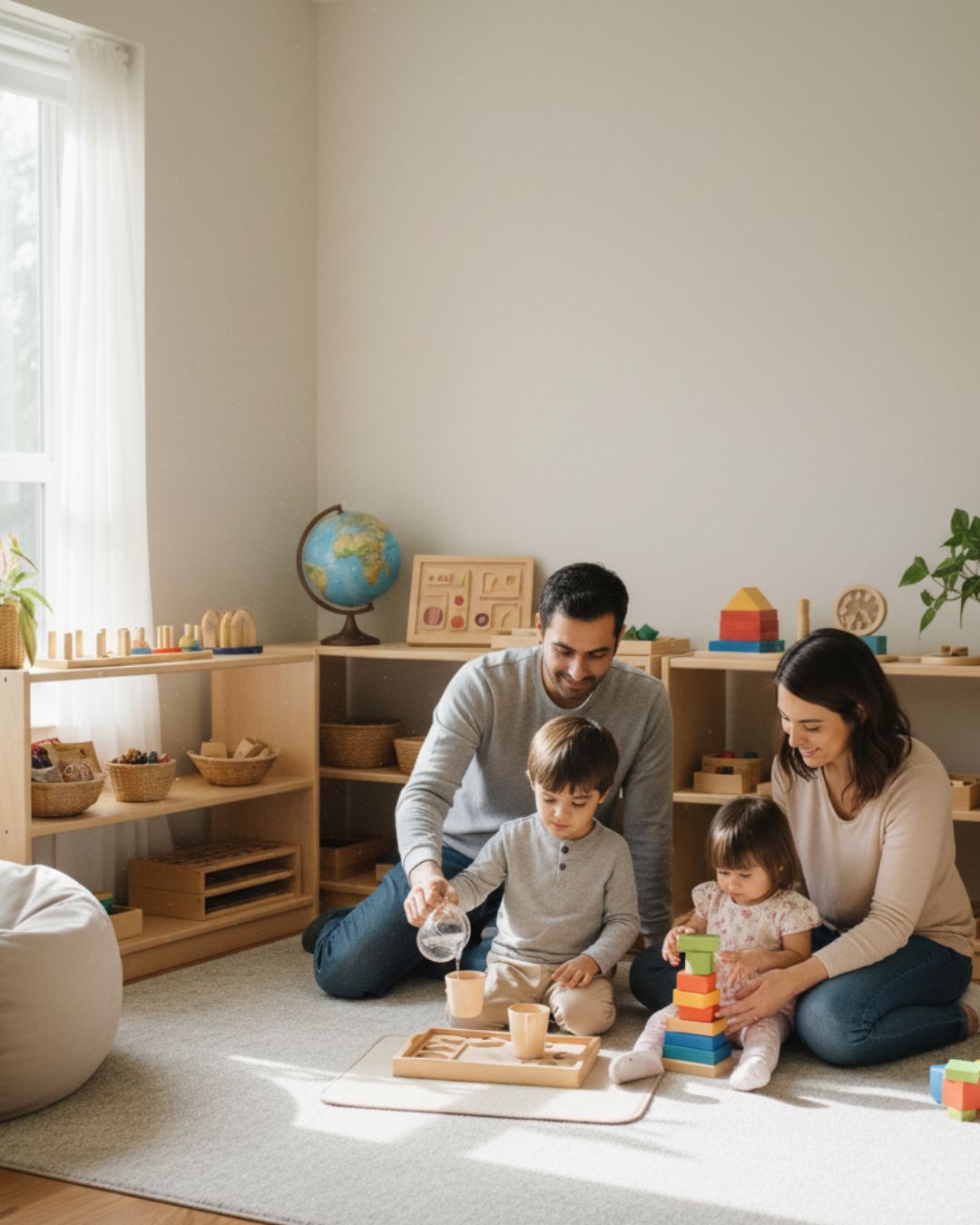
One of the key pillars of Montessori education is the prepared environment a space that encourages independence and exploration. At home, this means setting up areas where your child can move, learn, and choose activities freely.
Keep your child’s belongings at their level whether it’s a low shelf with books, accessible drawers for clothes, or a small table for drawing. Organize toys and materials neatly in baskets or trays so your child can choose and return them independently.
Avoid overstimulation too many toys or colors can distract and overwhelm young minds. Instead, rotate materials every few weeks to keep their interest fresh while fostering focus and responsibility.
2. Encourage Independence Through Everyday Tasks
Montessori education emphasizes “Help me to do it myself.” Encouraging children to take part in daily household routines strengthens their confidence and fine motor skills.
Let them pour their own water, set the table, help fold laundry, or water plants. These simple tasks teach coordination, sequencing, and patience.
It may take longer at first, and mistakes will happen but that’s part of the learning process. Offer guidance without taking over. A gentle reminder or demonstration often works better than correction. Over time, children learn to take pride in their accomplishments and contribute meaningfully to family life.
3. Choose Purposeful and Open-Ended Toys
Montessori materials are designed to promote hands-on learning and problem-solving. You don’t need expensive materials to practice this approach at home just choose toys that encourage exploration and creativity.
Wooden puzzles, stacking blocks, matching cards, and sensory toys like sand or clay are great examples. Avoid flashy electronic toys that entertain passively. The goal is to engage the child’s mind, not just their attention.
When selecting materials, look for activities that have a clear purpose pouring, sorting, building, or sequencing. These foster focus, concentration, and self-correction the essence of Montessori learning.
4. Foster a Sense of Order and Routine
Children thrive on predictability. Establishing daily routines like morning rituals, meal times, and bedtime habits gives children a sense of structure and security.
In Montessori philosophy, order is not just about cleanliness; it’s about helping children understand patterns and relationships. When everything has a place, children learn responsibility and feel empowered to care for their environment.
Encourage them to clean up after play, make their bed, or arrange their study area. These small acts cultivate discipline and respect for their surroundings.
5. Practice Positive Communication and Respect
Montessori educators always treat children with respect, listening to their ideas and acknowledging their emotions. This respectful communication can be mirrored at home.
Speak calmly and clearly, using polite language. Instead of commands like “Do this now,” try offering choices “Would you like to put away your blocks or read a book first?”
This empowers children to make decisions and understand consequences. When they feel heard and respected, they develop empathy and self-regulation.
6. Encourage Curiosity and Natural Exploration
Montessori learning values curiosity as the foundation of knowledge. Encourage your child to explore the world around them through nature walks, gardening, cooking, or art.
When they ask questions, guide them toward discovery rather than giving immediate answers. For example, if your child wonders why plants grow toward sunlight, explore it together by observing or reading a simple book on the topic.
This approach nurtures critical thinking and a lifelong love for learning both key goals of Montessori education.
7. Limit Screen Time and Promote Real-World Interaction
In a world filled with digital distractions, Montessori philosophy reminds us of the importance of real-world engagement. Limit screen time and encourage children to spend time outdoors, play with peers, and engage in creative hands-on activities.
Practical experiences like baking, painting, or building stimulate multiple senses and deepen learning in ways screens cannot replicate.
8. Model the Behavior You Want to See
Children learn more from what we do than what we say. In Montessori homes, parents are role models for calmness, respect, and curiosity.
Show them how to approach challenges patiently, treat others kindly, and care for their belongings. When children see adults behaving with mindfulness and purpose, they naturally emulate these qualities.
Remember, Montessori education is not about perfection it’s about progress.
9. Build a Strong Connection with the School
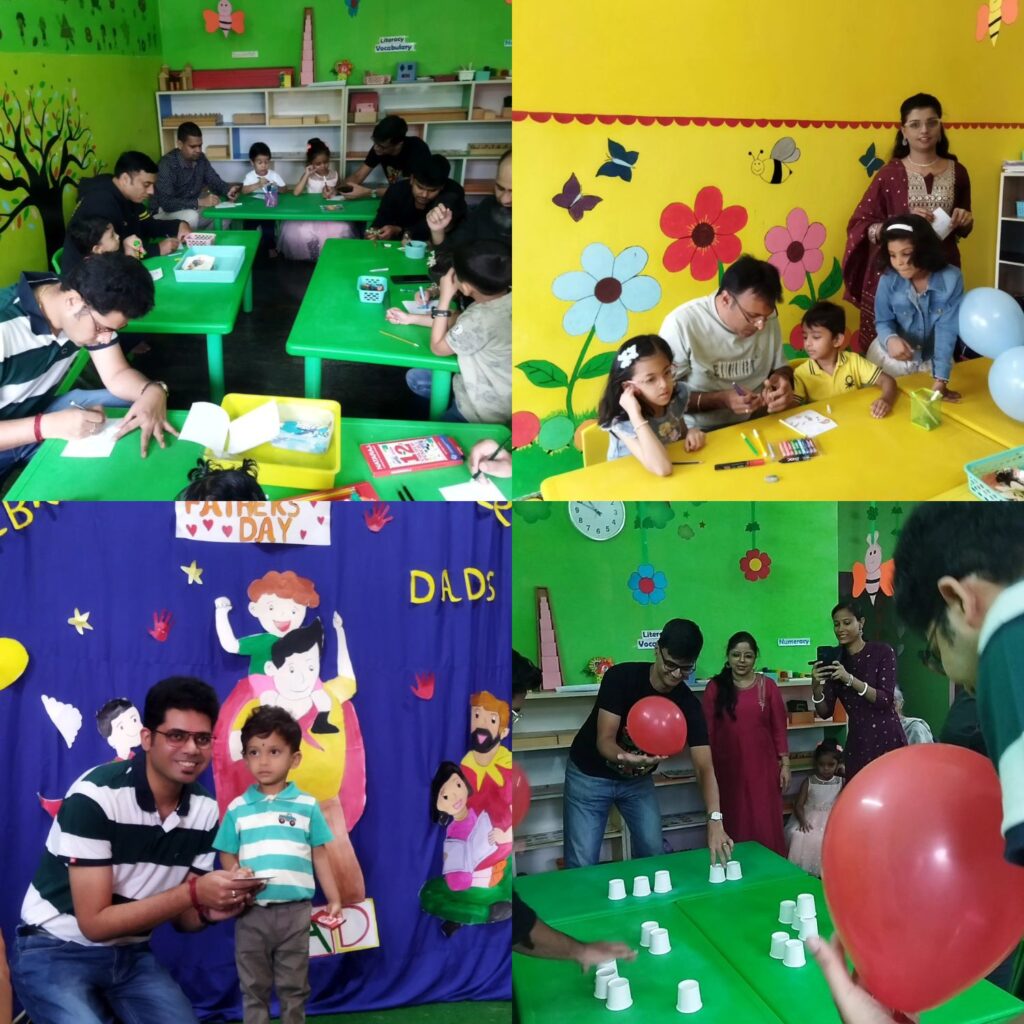
Supporting Montessori learning at home works best when parents and teachers collaborate. Stay connected with your child’s Montessori educators to understand what skills or lessons they’re focusing on.
You can then reinforce those ideas at home through aligned activities like practicing grace and courtesy, sensorial games, or storytelling.
Consistent communication ensures your child experiences a harmonious learning journey between school and home.
10. Be Patient and Celebrate Small Victories
Montessori education values process over perfection. When children learn at their own pace, they develop deep understanding and joy in learning.
Celebrate effort and progress, not just results. Encourage them to keep trying and express pride in their work. This builds confidence and intrinsic motivation essential life skills that go far beyond academics.
Nurturing Montessori Values with Daisy Montessori School
At Daisy Montessori School, we believe that a child’s growth flourishes when home and school work hand in hand. Our Montessori approach encourages parents to be active participants in their child’s learning journey extending curiosity, independence, and creativity beyond the classroom.
Through our child-centered curriculum and nurturing environment, we aim to build confident, compassionate, and curious learners. Our educators work closely with families to provide guidance and resources so parents can continue Montessori-inspired learning at home.
At Daisy Montessori, every small effort from organizing a child’s space to encouraging independence is celebrated as a step toward building lifelong learners. Together with parents, we’re creating a foundation of joy, respect, and discovery that prepares children not just for school, but for life.